SHIRE / RFQ
Mixed-SKU auto parts orders: a checklist for importers and distributors
Keep item references, quantities, carton allocation and labels aligned when requesting several automotive parts in one B2B inquiry.
A mixed order needs more than a total number of pieces. The catalogue examples below include a switch, a relay and a heater control valve: three different records, not a ready-made shipment or a confirmed mixed-order offer. Use a line-by-line record to discuss whether each item can be supplied and how it should be identified. Packing, minimum quantities and shipment arrangements remain subject to agreement.
Give each requested product its own stable line
Record the original reference, candidate SAP SKU, description, requested quantity and unit on separate lines. Keep OE numbers as text so leading zeros survive in a spreadsheet. SAP-B201, SAP-S124 and SAP-D301 must not be merged under a generic “electrical parts” line. Separate requested quantities from offered or confirmed quantities; a website selection is only an inquiry.
Make carton allocation a separate record
Once packing has been discussed, ask for carton identifiers and the item quantities allocated to each carton. Keep the per-item total and carton breakdown consistent. Do not derive units per carton, weight or dimensions from product pictures. If your receiving team needs single-SKU cartons or restrictions on mixing, state that before packing is agreed.
Approve the identification text, not just a sample picture
Specify which item reference should appear on the unit, inner packaging and carton label, and keep these levels distinct. Where needed, provide approved artwork and legitimate barcode data rather than asking someone to invent a code. Ask for confirmation of language, label position and packaging version. Do not assume vehicle-brand logos or private-label services are authorised or available.
Track changes before dispatch and receiving
Keep a dated revision of the item list and record substitutions, split quantities or unavailable items explicitly. Reconcile the agreed product list with packing information before dispatch. Actual transport and customs documents should be checked with the responsible professionals. Your receiving team should use the same approved references and carton record; the catalogue is not a final packing list.
Purchasing guidance, not installation or diagnostic instructions. Confirm compatibility and specifications with the supplier and a qualified technician.
Catalog examples — not confirmed substitutes
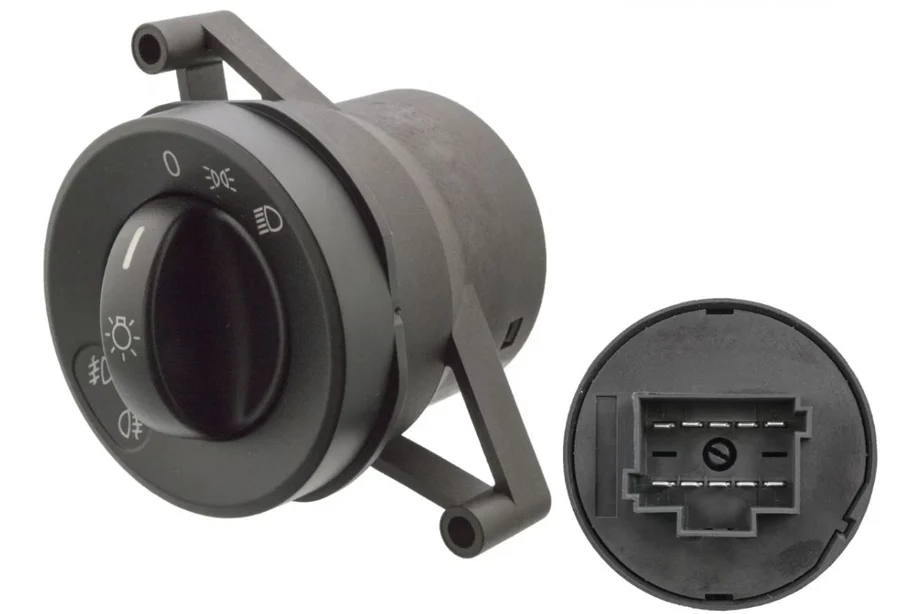
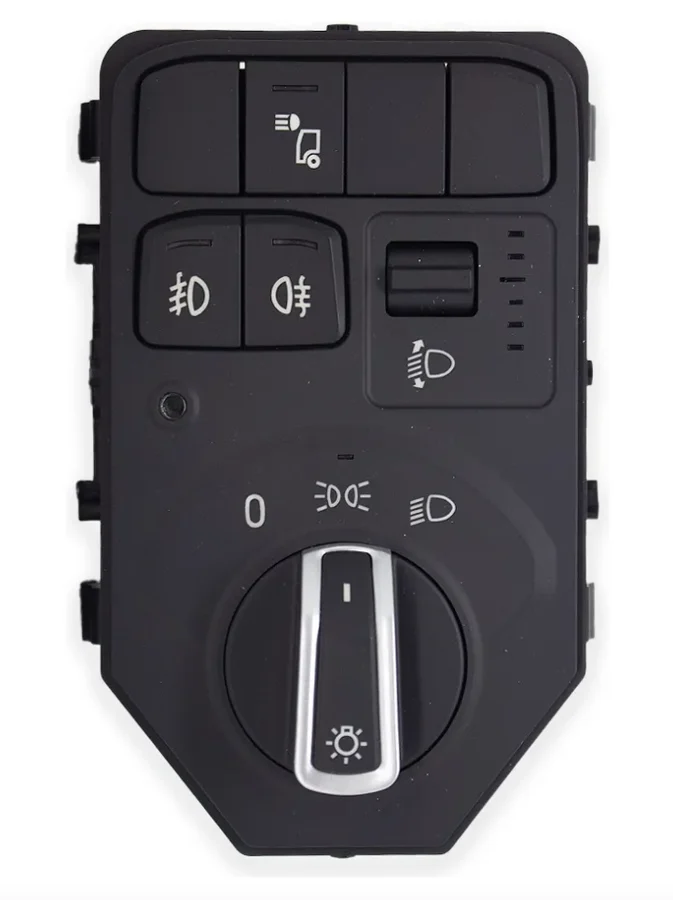
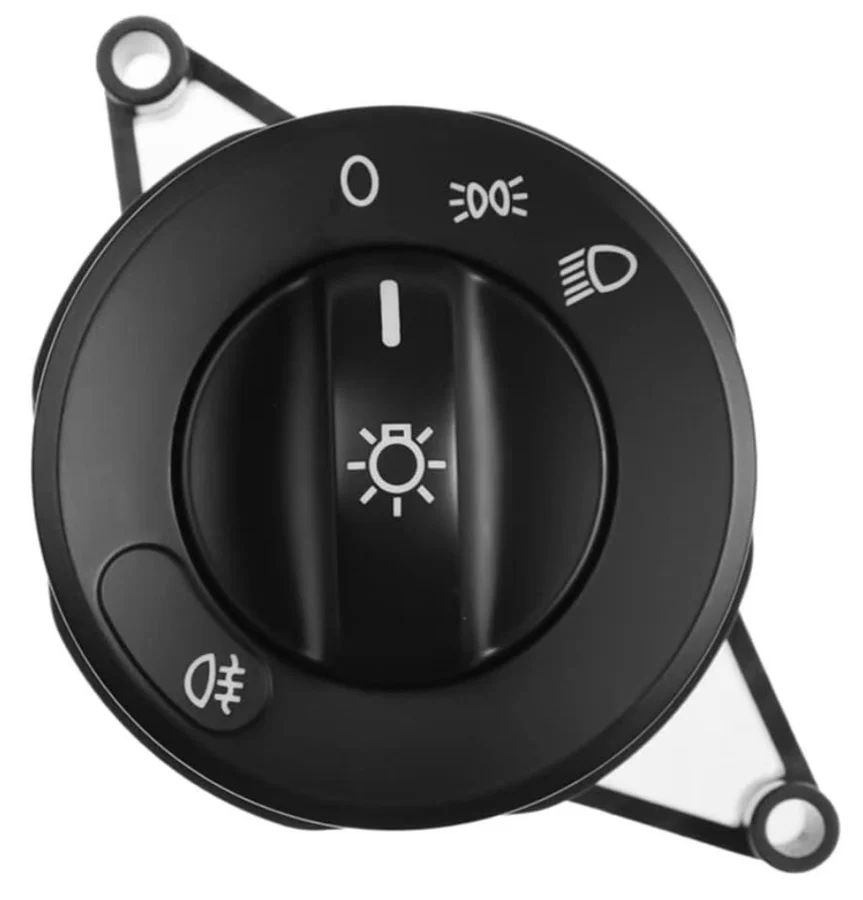
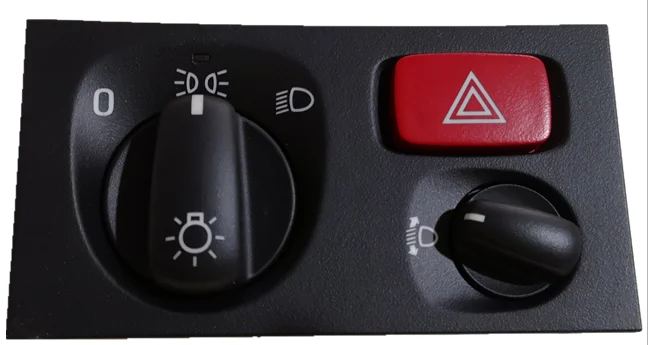
SAP-B201
Headlamp switch
OE references: 0015453404 / 0015452704
Catalog specifications ↗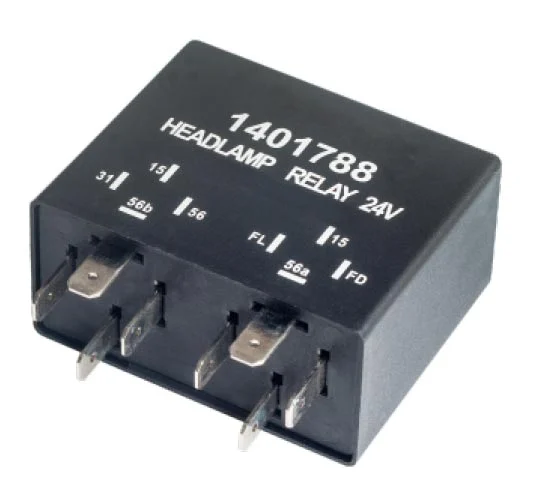
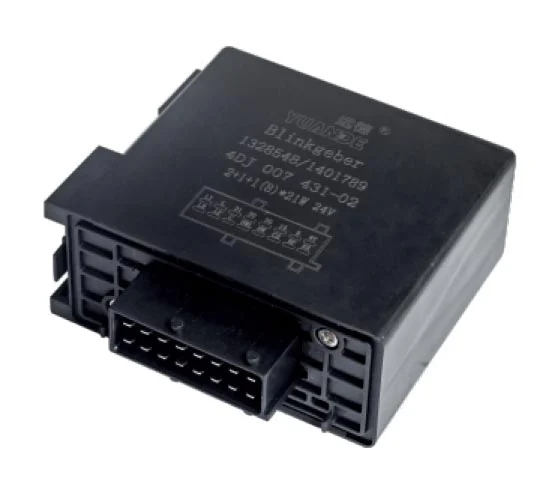
SAP-S124
Headlamp relay
OE references: 1504270 / 1401788
Catalog specifications ↗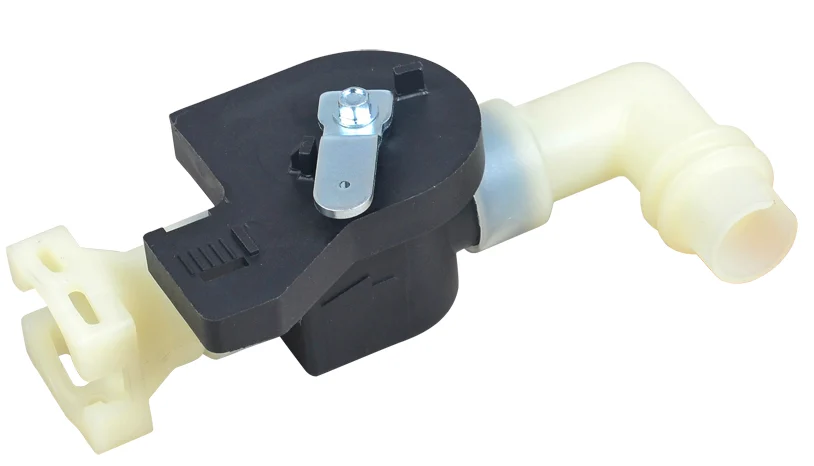
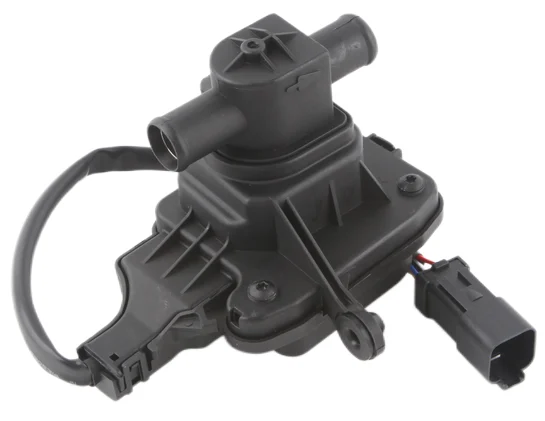
SAP-D301
Heater control valve
OE references: 1672648 / 1935413
Catalog specifications ↗Need a quotation for these parts?
Please confirm compatibility, voltage and connector details with us before ordering.