SHIRE / OE / SKU
How to check OE references before buying automotive electrical parts
A buyer’s checklist for full OE numbers, connector evidence and written confirmation, with two real headlamp-switch catalog examples.
An OE reference is a useful starting point for an inquiry, but a matching photograph or vehicle brand is not a complete specification. Before comparing offers, build a reference record that another person can check without guessing. The following process is intended for purchasing, not vehicle diagnosis.
Keep the full reference, including leading zeros
Copy the number from the existing part or a trusted parts record exactly as shown. Keep letters, leading zeros and suffixes in your original notes. Search tools may ignore spaces for convenience, but they should not change the reference you ask a supplier to confirm. For several requested items, use one line per reference and label which number came from which part.
Compare the catalog record, not only the silhouette
The examples below are separate catalog records with different OE references. Similar-looking headlamp switches are not automatically interchangeable. Check the full OE, the required electrical specification, connector shape and pin count, mounting details and any catalog remark. A number found in a reference list is not a manufacturer authorization or a fitment guarantee.
Close gaps before accepting a quotation
If a suffix or specification differs, flag that difference in the inquiry. Send clear photographs of the front, rear connector and identifying label; crop out personal information. Ask the supplier to state the proposed item and confirmed differences in writing. Leave unknown voltage, model-year or pin assignments unknown until reliable documentation or a qualified technician confirms them.
Turn the check into a usable RFQ
Include your full requested reference, the candidate SHIRE item number, quantity, destination and any sample requirement. Separate “must match” requirements from optional preferences. Ask which technical details still need confirmation. Keep that answer with the final quotation so the purchasing and receiving teams are checking the same requirement.
Purchasing guidance, not installation or diagnostic instructions. Confirm compatibility and specifications with the supplier and a qualified technician.
Catalog examples — not confirmed substitutes
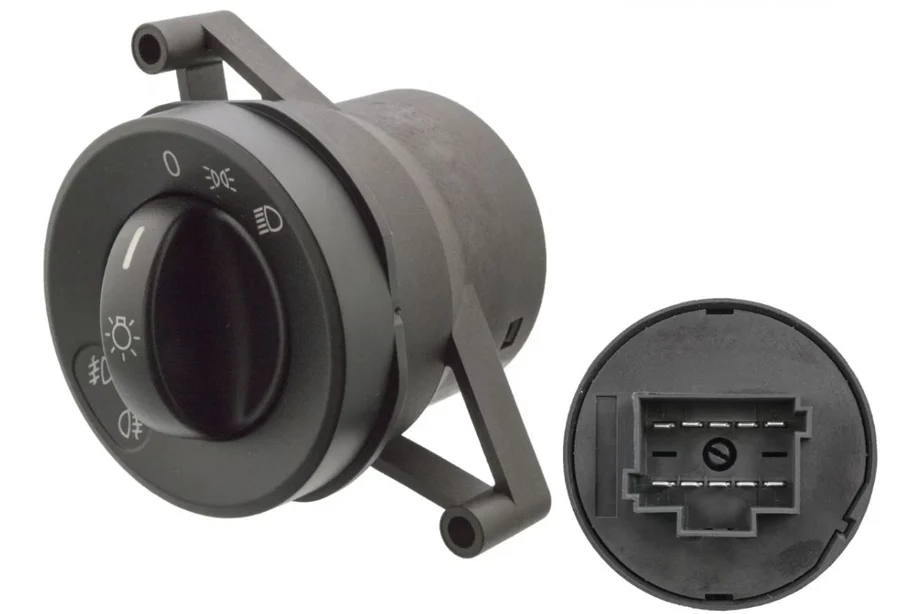
SAP-B201
Headlamp switch
OE references: 0015453404 / 0015452704
Catalog specifications ↗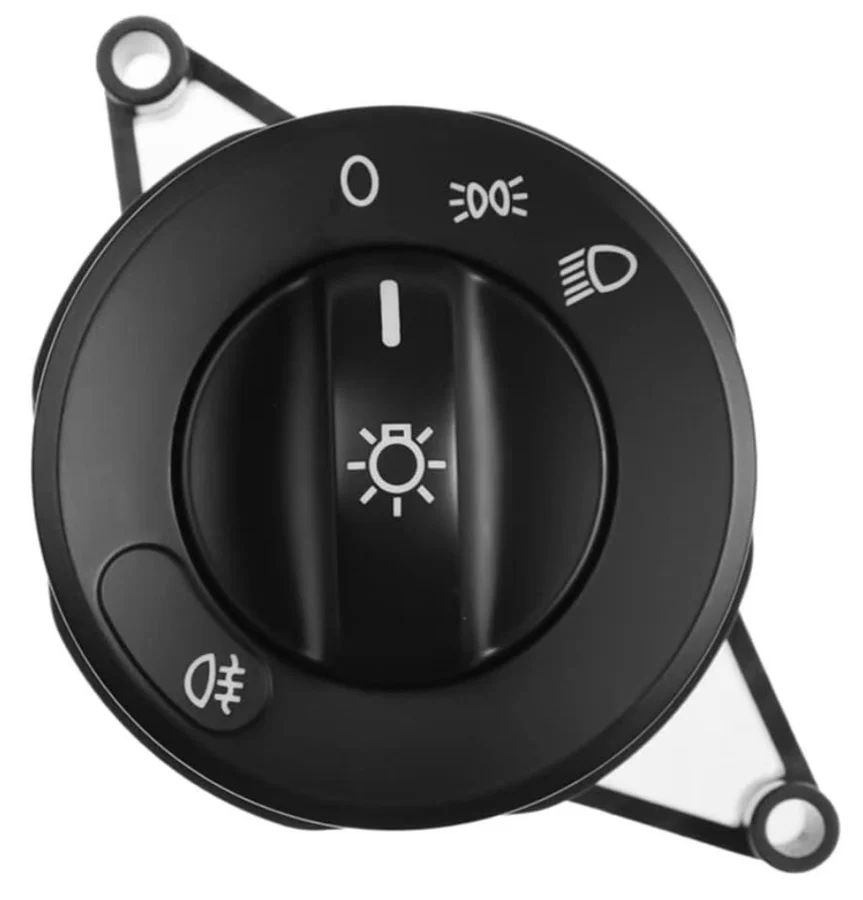
SAP-B201A
Headlamp switch
OE references: 0015453304
Catalog specifications ↗Need a quotation for these parts?
Please confirm compatibility, voltage and connector details with us before ordering.